

What is the Best Time to Visit Paris ?
Best Time to Visit Paris: Every season has its charm, but spring is often ideal for experiencing the city. Before deciding, consider things like weather, crowds, local holidays, and seasonal events to make the most of your trip. The best times to visit Paris are the shoulder seasons—spring (April–May) and fall (September–October). These months offer pleasant weather, smaller crowds than in summer, and stunning scenery. Spring showcases vibrant blooms in the city’s famous gardens, while fall de
When to Visit Paris Depends on :
- Your budget, flights and hotels are pricy in high seasons
- Your tolerance for large crowds during Spring in particular
- Your resistance to the coldness even though this is not Québec
- And your aspirations if you want to feel Christmas magic in Paris
In fact, every season in Paris has its charms, Spring, Summer, Fall and Winter.
Best Time to Visit Paris
If you’re dreaming about cafés lining cobblestone streets, iconic landmarks like the Eiffel Tower glistening in sunlight, and leisurely strolls along the Seine, the timing of your visit to Paris is crucial. With millions of visitors each year, the season you choose affects the weather, crowd sizes, pricing, and overall experience. Selecting the right time ensures you enjoy everything Paris has to offer, from charming parks to world-famous museums, without feeling rushed or overwhelmed.
Why Timing Matters for Your Paris Trip
Planning a trip isn’t just about picking dates; it’s about shaping your experience. The season you choose can transform your trip, influencing everything from daily activities to what you pack in your suitcase.
Weather and Seasons
Paris has a temperate climate, so each season brings its own atmosphere. Spring and autumn offer mild, pleasant weather that makes sightseeing comfortable, while summer brings long, sunny days but can be uncomfortably crowded. Winter is cold and often damp, but it brings a quieter, cozier vibe with festive holiday lights and seasonal markets.
Crowds and Tourism Flow
Paris is one of the most visited cities in the world. Popular landmarks like the Louvre and Notre-Dame can be extremely crowded during peak season. Visiting during off-peak months allows for a more relaxed experience, where you can enjoy attractions without the stress of long lines and crowded streets.
Budget and Prices
Travel costs fluctuate with seasons. Low-season travel offers lower hotel rates and cheaper flights, whereas peak months, particularly in summer, tend to be expensive. Timing your trip strategically can save money without sacrificing experience, and you can even enjoy premium attractions at a fraction of the price if you plan for off-peak travel.
Overview of Paris Seasons
Spring (March–May)
Spring is considered by many as the ideal time to visit Paris. Temperatures are mild, parks and gardens bloom, and outdoor cafés begin to fill up with locals and travelers alike. The city comes alive with pastel-colored flowers in gardens such as Jardin du Luxembourg and Parc des Buttes-Chaumont, creating a picturesque backdrop for leisurely walks or picnics. While crowds are growing, they are still manageable, making spring perfect for sightseeing and photography. Events like local art festivals and cultural exhibitions also begin around this time, offering a rich cultural experience. Spring combines comfortable weather, moderate crowds, and a lively atmosphere, providing the quintessential Parisian experience.
Summer (June–August)
Summer is Paris’s peak tourist season. Days are long and sunny, cafés spill onto sidewalks, and the city buzzes with energy. Events like Bastille Day and Paris Plages transform the city into a hub of celebration. However, high temperatures and heavy crowds can make sightseeing challenging, and hotel prices peak during these months. Tourists often need to book attractions and accommodations well in advance to avoid disappointment. Despite the challenges, summer offers a unique, vibrant atmosphere with endless activities, festivals, and opportunities to experience Parisian nightlife and street culture.
Autumn (September–November)
Autumn in Paris is often overlooked, but it offers a serene, romantic atmosphere. September and October feature mild temperatures, golden foliage, and smaller crowds, making it ideal for leisurely exploration and photography. Museums, cafés, and cultural sites are less crowded, allowing for a more intimate experience. Early autumn also coincides with wine harvest festivals and outdoor events that capture the essence of Parisian life. By late November, the city begins transitioning into winter, bringing cooler temperatures and festive preparations for the holiday season.
Winter (December–February)
Winter brings cold temperatures, short days, and a peaceful atmosphere in Paris. It is a budget-friendly time to visit, with fewer tourists and reduced hotel rates. The city transforms with festive holiday lights, Christmas markets, and seasonal events that make winter in Paris enchanting despite the cold. Ice skating rinks, warm cafés, and quiet museums provide cozy experiences, and the quieter streets allow travelers to enjoy attractions without the usual crowds. For those willing to embrace the cold, winter provides a unique, magical perspective of the city.

-
Fall and Winter
Paris has cold and slightly damp winters, with temperatures between 7 degrees Celsius (45 degrees Fahrenheit) and lows of approximately 0 degrees Celsius (35 degrees Fahrenheit). Snow isn’t frequent but can happen after December up to March. November can be cold but beautiful during Fall, while December is magic but dark as the days get shorter. Christmastime in Paris is a lively time in the capital. The most beautiful city has its famous monuments illuminated for the season, as well as department stores, institutions, boutiques… Activities and events take over the city, offering magical memories for everyone. Choose Private driving tours in Paris Service in option if you feel so for winter time.

-
Spring and Summer
March and April are sort of chilly, but temperatures can break into the 13 degrees Celsius (55 degrees Fahrenheit). In May, temperatures slowly but surely climbing into the 20 degrees Celsius (70 degrees Fahrenheit). Summers are typically pleasantly warm, with temperatures rarely exceeding 28 degrees Celsius (85 degrees Fahrenheit). June is the perfect month for temperature. During August, Parisians are on vacation so “only travelers” are walking across the streets of Paris. You may find some boutiques and restaurants closed. However, all museums, landmarks and big institutions will stay opened. During this month, Paris is peaceful and very sunny. Lots of Summer activities around the Seine River are available.
Rain and Coldness
Paris does not have much rain across the seasons in comparison to other places in France. The rainiest places of France are the Pyrénées, the French Alps, Britany and Normandy. The rainiest places in the world are Mawsynram in India, Hong Kong, Portland in USA, Rotterdam in Netherlands, Edinburgh in Scotland and Cologne in Germany.
The city of lights, even in the rain or coldness, has fabulous things to do in Paris. You could be enjoying one of the best hot chocolates in a legendary site, rejoice a tremendous exhibition in the Louvre museum, go to a movie in English on the Champs-Elysées (Paris has spectacular movie theaters), Paris shopping in fabulous department stores, take cooking classes in Paris, have a wine tasting Paris workshop or enjoy inside the magnificence of Paris churches…
Every year, we have “Indian summer” during September up to October. During this time, flights and hotels prices are not in high seasons. All year long, Paris is full of beauty, life and lights.
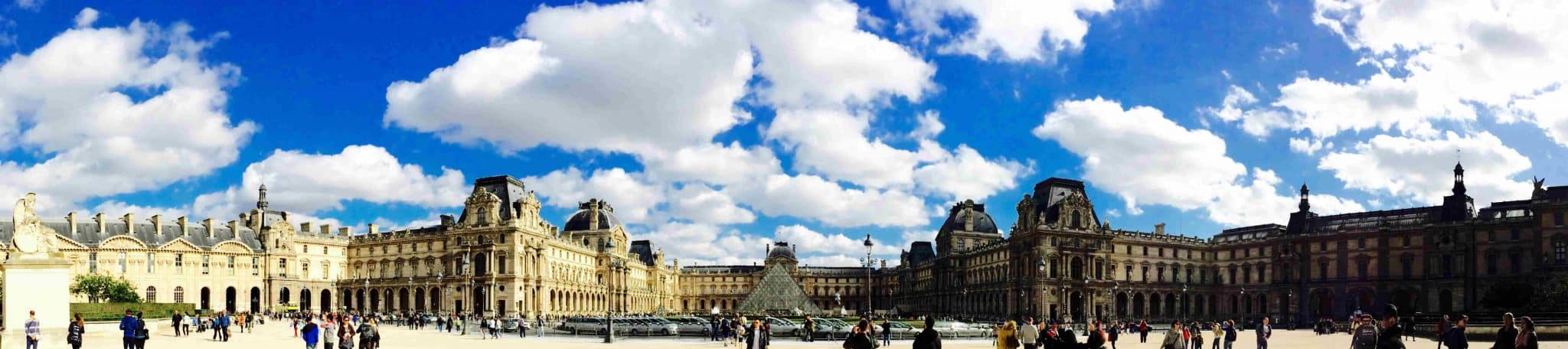
Best time to visit & high season in Paris
So you would think that the best time to visit Paris is during low season ? Not necessary as we see for all the reasons above. High Season in Paris is from June through mid-September and Mid-to-late December. Paris is most dense with tourists during summer and during the December for Christmas time magic.
Never forget one thing, Paris is a big city. Paris is the most populated city and the capital of France. The city of lights is one of the most visited city in the world and the most beautiful as well ! Moreover, France is the most visited country in the world.
- Population within Paris 2,190,327 inhabitants (2016)
- Population with urban areas 12,568,755 inhab. (2016)
- The Eiffel Tower 7 million visitors in 2018
- The Louvre Museum 10 million visitors in 2018 (world record)
- The Palace of Versailles 8 million visitors in 2018
- Fondation Louis Vuitton 1,5 million visitors per year
- Disneyland Paris 9 million visitors per year
- Sacred Heart Basilica in Montmartre 10 million visitors per year
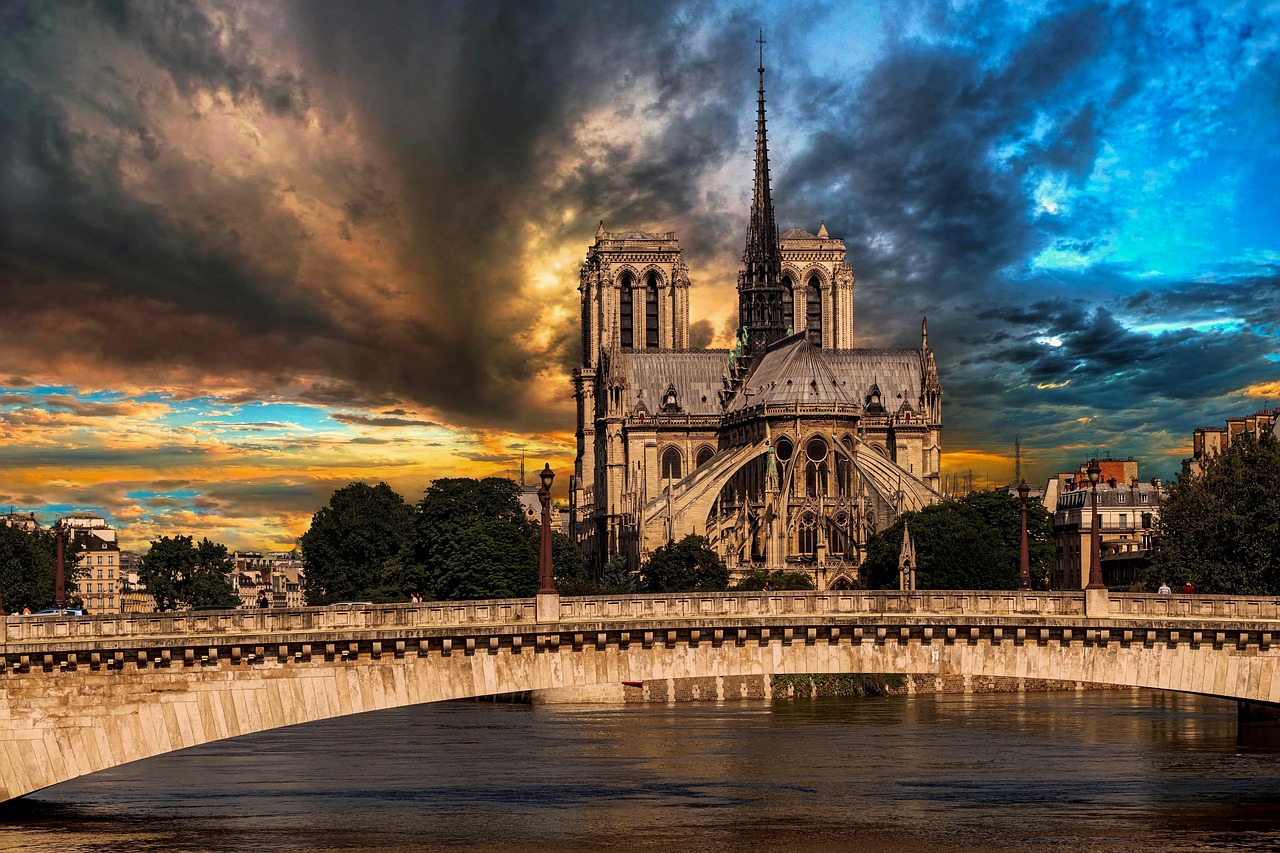
- Approximately 13 million per year visit Notre Dame
Around 30 million people in total visited the Greater Paris area, according to the observatory of the Paris tourist office in 2018. By arriving during low season, you will be somehow safe from long lines at museums, landmarks, restaurants, ask us to plan your trip to Paris.
Best Times to Visit Paris - Travel Program
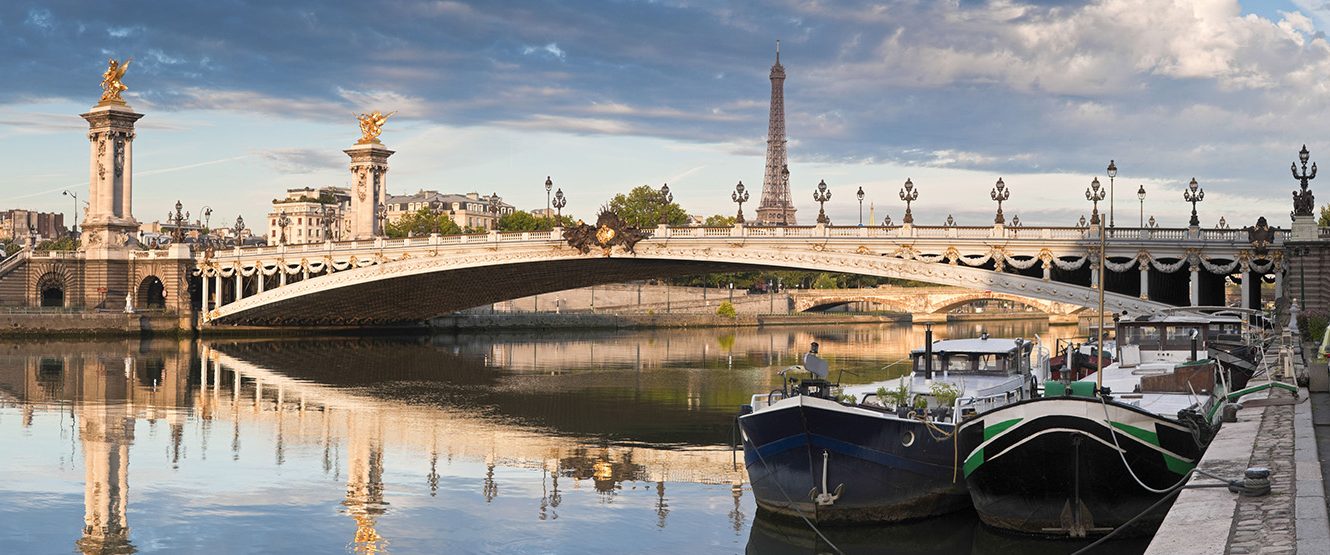

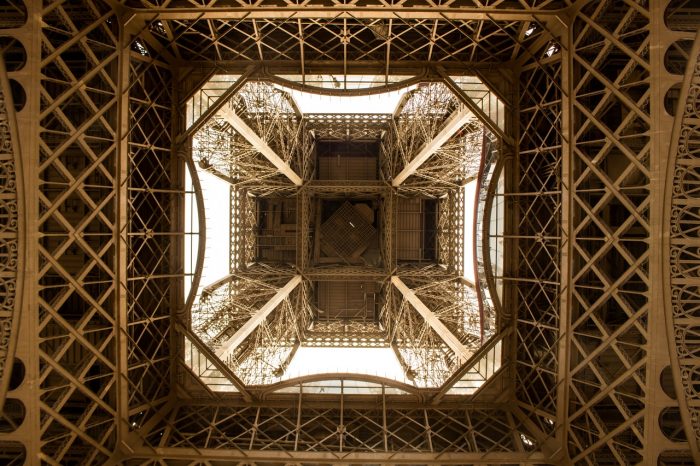
Best Bime to Visit Paris – Month-by-Month Breakdown
January: A Peaceful Winter Escape
-
Weather: Cold (3–7 °C), occasional snow
-
Hotels & Prices:
• Budget: ~ €70 – 120
• Mid-range: ~ €150 – 250
• Luxury: €300+ -
Flights (round-trip):
From North America: ~$400–500 USD (~€370–460) is typical for economy in low season.
From Europe: often ~€80–200 depending on distance and carrier. -
Crowds: Very light; museums and landmarks are quiet
-
Events: New Year celebrations, Paris Fashion Week in late January
February: Romance in Bloom
-
Weather: Cold but slightly milder (4–9 °C)
-
Hotels & Prices:
• Budget: ~ €80 – 130
• Mid-range: ~ €160 – 270
• Luxury: €320+ -
Flights (round-trip):
North America: similar to January, perhaps slightly higher around Valentine’s time
Europe: often still in off-peak range -
Crowds: Moderate; quieter than peak seasons
-
Events: Valentine’s Day, Chinese New Year
March: The First Signs of Spring
-
Weather: Chilly but improving (6–13 °C)
-
Hotels & Prices:
• Budget: ~ €90 – 140
• Mid-range: ~ €170 – 280
• Luxury: €330+ -
Flights (round-trip):
North America: ~$420–550 USD (~€390–510)
Europe: still moderate, often under €200 for many routes -
Crowds: Still manageable; before Easter rush
-
Events: Paris Half Marathon, International Agricultural Show
April The Best Season to Experience Paris
Blossoms and Gentle Breezes
-
Weather: Mild and pleasant (8–16 °C)
-
Hotels & Prices:
• Budget: ~ €100 – 150
• Mid-range: ~ €180 – 300
• Luxury: €350+ -
Flights (round-trip):
North America: higher than winter, perhaps ~$450–600
Europe: moderate to high depending on route -
Crowds: Growing—especially around Easter
-
Events: Easter, Art Paris Art Fair
May: Spring at Its Best
-
Weather: Mild (11–20 °C)
-
Hotels & Prices:
• Budget: ~ €110 – 160
• Mid-range: ~ €190 – 320
• Luxury: €370+ -
Flights (round-trip):
From North America: ~$500–650 USD (≈ €460–600)
From Europe: increasing with spring travel demand -
Crowds: Increasing, especially near holidays
-
Events: French Open (Roland-Garros), Nuit des Musées
June: Summer’s Early Charm
-
Weather: Warm (14–24 °C)
-
Hotels & Prices:
• Budget: ~ €120 – 180
• Mid-range: ~ €200 – 350
• Luxury: €400+ -
Flights (round-trip):
North America: ~$550–700 USD (~€500–630)
Europe: fairly high as summer begins -
Crowds: More crowded; lines at museums grow
-
Events: Fête de la Musique, outdoor cinemas
July: Summer in Full Swing
-
Weather: Hot (17–27 °C)
-
Hotels & Prices:
• Budget: ~ €140 – 200
• Mid-range: ~ €230 – 380
• Luxury: €450+ -
Flights (round-trip):
Peak season surcharges apply — ~$600–800+ USD (~€550–730)
Flights to Europe are particularly expensive in July. -
Crowds: Very high; museums, landmarks, restaurants packed
-
Events: Bastille Day (July 14), Tour de France finale
August: A Quieter Paris (Locals on Holiday my best time to visit Paris)
-
Weather: Warm (16–26 °C)
-
Hotels & Prices:
• Budget: ~ €120 – 170
• Mid-range: ~ €190 – 330
• Luxury: €400+ -
Flights (round-trip):
Still high due to summer demand, though late August may see slight declines. -
Crowds & Local Effects:
Many Parisians leave the city in August, so neighborhoods feel calmer. However, tourist zones and major museums (e.g. the Louvre) remain busy. Some shops, cafés, and restaurants in residential areas may close for vacation. -
Events: Paris Plages (temporary beaches along the Seine)
September: Tranquil Late Summer (my best time to travel)
-
Weather: Cooling down (13–22 °C)
-
Hotels & Prices:
• Budget: ~ €100 – 160
• Mid-range: ~ €180 – 300
• Luxury: €350+ -
Flights (round-trip):
Better deals than summer; flights start to dip. -
Crowds: Much more comfortable—many tourists depart, local life resumes
-
Events: European Heritage Days, Paris Fashion Week (late September)
October: Autumn Colors and Culture
-
Weather: Crisp air (9–17 °C)
-
Hotels & Prices:
• Budget: ~ €90 – 150
• Mid-range: ~ €170 – 280
• Luxury: €330+ -
Flights (round-trip):
Economy fares often fall back to off-peak levels -
Crowds: Moderate—cultural tourism becomes focal
-
Events: Montmartre Grape Harvest Festival, Nuit Blanche
November: A Cozy Cultural Break
-
Weather: Chilly (5–11 °C)
-
Hotels & Prices:
• Budget: ~ €80 – 130
• Mid-range: ~ €150 – 240
• Luxury: €300+ -
Flights (round-trip):
Lower fares—winter is among the cheaper times to fly to Europe. -
Crowds: Light—ideal for museums, cafés, cultural exploration
-
Events: Armistice Day (Nov 11), Paris Photo fair
December Perfect Time to See Paris
A Festive Parisian Winter
-
Weather: Cold (3–7 °C)
-
Hotels & Prices:
• Early/mid-December: ~ €100 – 160 (budget), €180 – 300 (mid-range), €350+ (luxury)
• Around Christmas/New Year: prices spike—expect 20–50 % or more above normal -
Flights (round-trip):
Christmas and New Year’s travel drive up fares significantly.
From the U.S., fares might rise to ~$700–900+ USD (≈ €640–820) or more in peak days. -
Crowds: Festive hotspots busy (markets, shops), though many museums remain accessible
-
Events: Christmas markets, New Year’s Eve celebrations
Tips to Avoid Crowds and Save Money
Shoulder Season Strategies
Visiting Paris during April, May, or September allows travelers to enjoy favorable weather, moderate crowds, and better prices. These months provide the ideal combination of comfort, affordability, and accessibility, making them a smart choice for first-time visitors and return travelers alike.
Midweek vs Weekend Travel
Choosing midweek flights and exploring attractions during weekdays can reduce exposure to peak tourist crowds. Early mornings and late afternoons offer quieter experiences, especially at iconic sites like the Louvre or the Eiffel Tower, enhancing the overall enjoyment of your visit.
Booking Hacks
Advance reservations for hotels, flights, and popular attractions ensure availability and often provide cost savings. Even during shoulder seasons, certain events can increase demand, making pre-booking a valuable strategy. Flexible cancellation policies can add peace of mind while traveling.
Best Time Based on Travelers’ Goals
Budget Travelers
The most cost-effective months are January to March and late autumn. Travelers can benefit from reduced hotel rates, affordable flights, and less crowded attractions. Winter offers additional charm for those willing to endure cooler temperatures.
Food & Culture Lovers
Spring and autumn highlight seasonal culinary delights and cultural experiences. Outdoor markets, food festivals, and café culture are more accessible during these periods, allowing visitors to immerse themselves in Parisian lifestyle and gastronomy.
Photography Enthusiasts
Spring blossoms and autumn leaves provide stunning natural backdrops. Early mornings or golden-hour afternoons enhance light quality, making these seasons perfect for capturing the essence of Paris in photographs.
Final Verdict – So When Should You Go?
The best time to visit Paris depends on your priorities:
- Overall experience: April–May and September–October
- Budget travel: January–March and November
- Festivals and summer energy: June–August
- Romantic winter getaway: December–February
Each season offers a unique perspective of Paris, and understanding these differences allows travelers to tailor their experience. Choosing the best time to visit Paris requires consideration of weather, crowds, pricing, and personal preferences. Whether you prefer spring blooms, summer festivals, autumn foliage, or winter charm, Paris is captivating year-round. Strategic planning ensures a memorable experience, allowing you to explore the city’s landmarks, cuisine, and culture fully.
FAQs
Q1: When is the least crowded time to visit Paris?
January to March and late autumn offer minimal crowds and more relaxed sightseeing conditions.
Q2: Is summer worth visiting despite the crowds?
Yes, if you enjoy lively events, long days, and outdoor activities. Advance planning is necessary.
Q3: Should I avoid Paris Fashion Week?
Budget travelers may want to avoid it due to higher hotel prices and crowded streets, but fashion enthusiasts may find it exciting.
Q4: Are hotel prices cheaper in winter?
Yes, winter months provide lower accommodation and travel costs, making it a cost-effective season.
Q5: Can I enjoy outdoor activities in autumn?
Absolutely. Early autumn provides mild weather, colorful scenery, and fewer crowds for outdoor exploration.
Best time to visit Paris is up to you !
Ultimately, the best time to visit depends on your priorities—whether you value lower costs, quieter streets, romantic charm, or lively summer energy. Paris is captivating year-round, and each season paints the city in a different, unforgettable light. Planning your trip with the weather, crowd levels, and seasonal events in mind will help you make the most of your Parisian adventure.